Cory Cannon Civil Litigation Attorney

Construction Litigation

Construction Dispute Questions

Plain-English answers to common construction dispute questions from a Florida attorney. Free consultation.

Updated

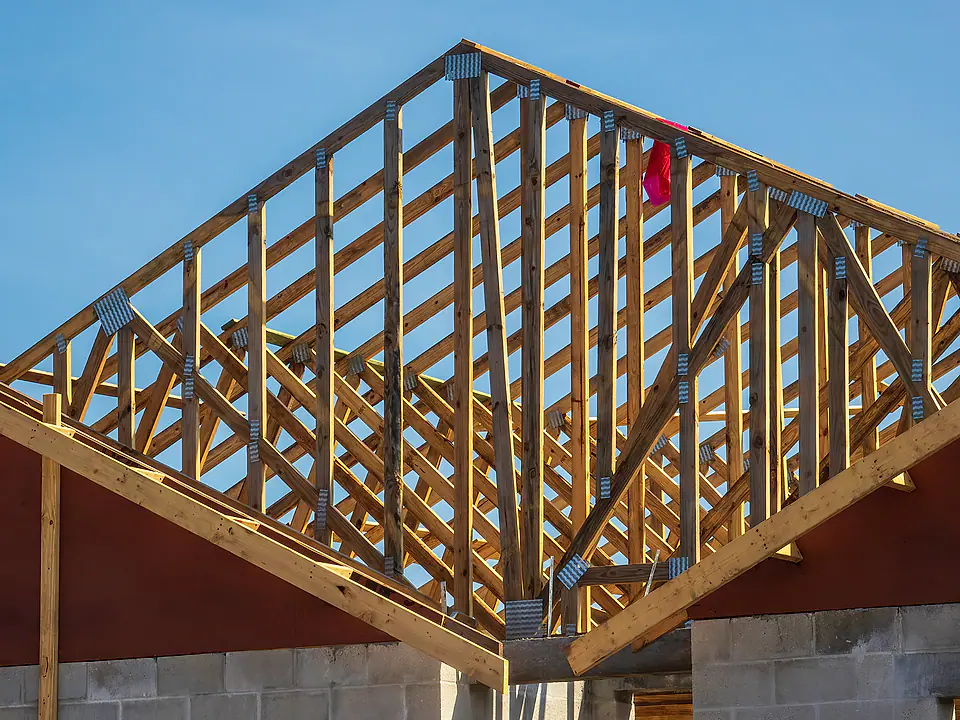
Wood roof trusses of a Florida home under construction against a blue sky

Written and reviewed by

Published Updated

Construction disputes tend to raise the same questions from both sides of the contract. Property owners want to know whether they can hold a contractor to the work they paid for. Contractors, subcontractors, and suppliers want to know how to collect what they earned. This page gathers the questions we hear most often and links each one to a full, plain-English answer.

Our construction litigation practice serves both audiences: owners in disputes with their contractors, and construction businesses pursuing payment through liens, bond claims, and contract actions. We grew up around construction, and we read the paper that runs a job (pay applications, schedules of values, lien waivers) line by line. If your dispute is about the quality of the work itself rather than payment, start with our construction defect pages instead. Defective work runs on a different legal track, with its own pre-suit process and deadlines.

One theme runs through nearly every answer here: the clock. Chapter 713, Florida Statutes (the construction lien law) gives a subcontractor or supplier 45 days from first furnishing labor or materials to serve a Notice to Owner, 90 days from final furnishing to record a claim of lien, and one year from recording to file a foreclosure action. Miss one and the lien right is usually gone, no matter how clearly the money is owed. Our construction lien deadline calculator maps these dates from your project facts. Confirm the results with an attorney: trigger dates turn on details like punch-list work and final furnishing that are easy to miscount.

The most common starting points: How long does a construction lawsuit take? Should I sign a lien waiver? Who pays attorney fees in a construction dispute? That last question matters more in construction than in most areas of law. Many construction contracts, and the lien statute itself in lien actions, shift fees to the prevailing party, which changes the math for both sides before anyone files anything.

One caution before you read on: some disputes that look like contractor problems are actually insurance problems. If the real fight is with the carrier that is supposed to fund the repair (a denied, delayed, or underpaid claim) the contractor is a bystander. Those disputes run under different statutes and deadlines, and we handle them through our property insurance claims practice.

These answers reflect Florida law as we apply it. None of them substitutes for advice on your specific facts. If your question is not covered below, or an answer raises a deadline you may have already crossed, contact us for a free consultation. We will tell you plainly where you stand.

Frequently Asked Questions

Do I need a lawyer for a construction dispute in Florida?

Not for every disagreement, but talk to one before a deadline passes. Florida's lien deadlines (45 days to serve a Notice to Owner, 90 days to record a claim of lien, one year to file a foreclosure action) do not pause while you negotiate. Many construction contracts also shift attorney fees to the prevailing party, which changes the risk calculation for both sides. An early consultation is cheaper than a missed deadline.

What deadlines apply to a Florida construction lien?

Three clocks decide whether your lien survives: 45 days to serve a Notice to Owner if you lack a direct contract with the owner, 90 days from your last day of work to record the lien, and one year from recording to sue to foreclose it. Which dates apply to you, and what can shorten them, turn on your role and the project timeline. Our construction lien lawyer page walks through each deadline and how it is triggered.

What is the difference between a construction defect claim and a payment dispute?

A defect claim is about the quality of the work (construction that fails, leaks, or violates the building code) and Florida generally requires a Chapter 558 pre-suit notice before an owner can file it. A payment dispute is about money owed for work performed, pursued through liens, bond claims, or breach of contract. The same project can produce both, and the deadlines for each run separately.

Can an unlicensed contractor enforce a contract or lien in Florida?

No. Section 489.128 bars an unlicensed contractor from using either a lawsuit or a lien to get paid, while the owner's own claims survive untouched. That single fact can decide a case, so licensing is one of the first things worth checking in any construction dispute. Our unlicensed contractor lawyer page explains how the rule plays out and the money-back remedies it opens for owners.

Talk to Cory

I prepare every matter I accept with trial in mind.

Speak directly with Cory Cannon about your situation. The initial consultation is free, and he walks you through the likely path and the fee options before anything begins. Intake calls are answered 24/7; other calls are typically returned within 24 hours, often within the hour on business days.

Contract broken? Payment withheld? Call in the big guns.

Free Consultation

Please provide only a brief summary. Do not send documents unless I request them.